Key Takeaways:
- A junk journal is an artistically made book comprising personal and discarded items, mementos, and mixed media materials for memory-keeping, self-expression, and emotional processing.
- One of the benefits of making junk journals is that it supports mental health: creative art has been found to lower the stress hormone cortisol, diminish the feeling of stress, and, provide therapeutic “flow” states.
- There is no barrier to entry: basically, you only require some discarded materials, old tickets, glue, and tape and the willingness to put them together. The outcome is only a part of the story, the rest is the journey.
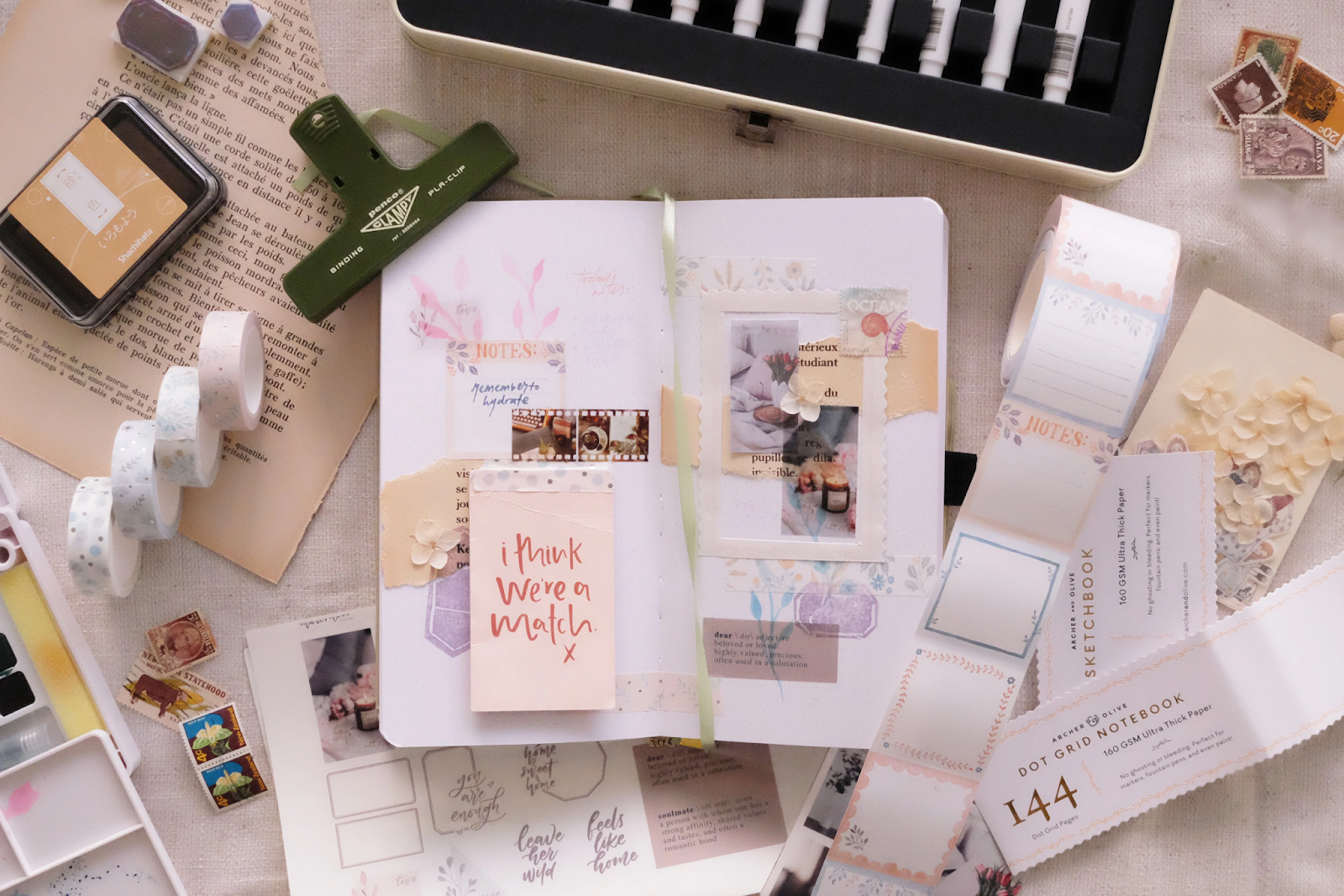
Essentially, a junk journal is a scrapbook that represents the person, in a physical way, created from ephemera – ticket stubs, letters, fabric pieces, dried flowers, magazines, receipts – stuff that you normally would have thrown away.
But instead of throwing these things away, you transform them into albums that narrate your tale, both visually and emotionally. Purpose of a junk journal is frequently asked by a lot of people: what is a junk journal used for or what do you do with a junk journal?
This article will explain how a junk journal functions, its rise in popularity, its role in mental wellness, and the step-by-step process of making your own. If you are looking for a creative way to deal with your memories or just to develop a self-care routine, then you have come to the right place.
What is a Junk Journal?
A junk journal mostly represents the artistic elements of journaling, the creativity of scrapbooking and the picture way of storytelling of the collage into one beautiful art form. In general, junk journaling doesn’t depend much on the writing of the stories but rather on the use of found objects and mixed media from the different layers to express the stories.
They are not bought ones. You may choose already made books or even make your own binding with loose sheets of paper. After that, you start gathering your scraps such as receipt, ticket, note and wrapper and stick them on pages thus creating the visual layers that speak of the texture and also the meaning of the pages.
Why People Make Use of Junk Journals
a.) Memory Keeping & Storytelling
One function of junk journals is to act as time machines. A ticket for a concert you attended five years ago or a note that was written by hand can bring back to you that time very fast.
When things are put in drawers or boxes, they may become forgotten. However, when they are well arranged in a journal, they are still alive and are now your narrative’s characters.
b.) Mental Wellness & Emotional Processing
Any kind of art creation is good for one’s psychological wellbeing. Researches indicate that engagement in a creative activity for only 45 minutes can help relieve stress and result in a decrease of cortisol level.
The Frontiers research also reports that a 4-week art making program led to reduction in stress level as reported by the participants.
Part of this is junk journaling. The actual work of cutting, gluing and arranging helps the mind to let go of the stressful thoughts and enter the flow state: that complete focus on the here and now, where time seems to be changed.
c.) Self-Expression & Healing
There are times when words are not sufficient. Through junk journaling, an individual is allowed to express his or her emotions with the help of the visuals like textures, layers, and found objects. In a situation where you cannot give a certain feeling a verbal form, the process of composing a collage can be your expression.
d.) Mindfulness & Grounding
The work does so by involving all the senses of a person. Feeling the paper, smelling the old ink, using the glue and the scissor — all these sensory experiences put one in the here and now and evoke the feeling of calm.
e.) Community & Creative Connection
Junk journaling community extends beyond the physical pages of a journal. Members of community post their work online, share ideas, and attend workshops to meet and connect with other members. The shared creative process engagement, as a result, helps to overcome the feeling of loneliness.
How to Build Your Own Junk Journal: Step-by-Step
Here is how I did mine (a little story): I had a drawer jam-packed with ticket stubs from concerts, receipts, and postcards from trips. One night I took them out of the drawer, grabbed scissors and glue, and started turning them into pages of an old notebook. After only 10 minutes I noticed that I was unwinding profoundly – I had completely lost track of time. That was the moment when I knew I had to keep going.
Here’s the way to start:
- Decide Your Theme or Purpose
What if you decided to turn it into a travel journal or simply a daily memory one? Or why not keep it open-ended?
- Gather Materials
Root out your house for scraps. Do you have leftover fabric, ticket stubs, or maybe some old greeting cards? Don’t fret about perfection.
- Choose Your Journal
Whatever notebook you have will do the trick. Or why not just tie pages together with string or ribbon?
- Arrange & Glue
Just pick a base page to start with. Tear your paper, arrange your layers of fabrics, glue. Follow your instinct.
- Add Writings/Thoughts
Remember to leave some blank spots to jot down your introspections, thoughts, poems. You may place your writings next to or on top of your collages.
- Reflect & Review
Look back at the spreads you have made. Think about it: What memories are these calling? What feeling comes up?
- Repeat Often
Junk journaling becomes really strong when one keeps it up regularly. Gradually, your journal turns into a pattern of your life.
Reddit Real-User Voice & Why It Matters
“For me, the use of my junk journal is to have all my memorabilia in one spot… It’s much better than my last method of just throwing everything in a drawer.”
“The main reason why I do it is for creative expression … it liberates my space and at the same time, allows me to keep a ‘piece of junk’ in a productive … way!”
These testimonies indicate that for the majority of people, the point of creative release is not to achieve clarity, it serves as a form of memory consolidation and emotional container. The fact that the end product may be untidy is insignificant; what really matters is the act itself.
Conclusion & What You Should Do Next
What junk journals really are extends beyond being simply attractive books. They function as an interconnection between memory, creativity, and emotional well-being. Whether you decide to make one to save your scraps, alleviate your stress, or dive into your inner world, chances are that the journey will be therapeutic.
Next Steps:
- Use a journal or notebook that you already have.
- Find 5 pieces of ephemera: an old ticket stub, fabric, paper, or anything else.
- Initiate a one-page journal spread tonight — no pressure.
- After a week, ask yourself: ‘How did the process make me feel mentally’?
Also Check Out: Luxury Vacation Rental Guidebook Criteria