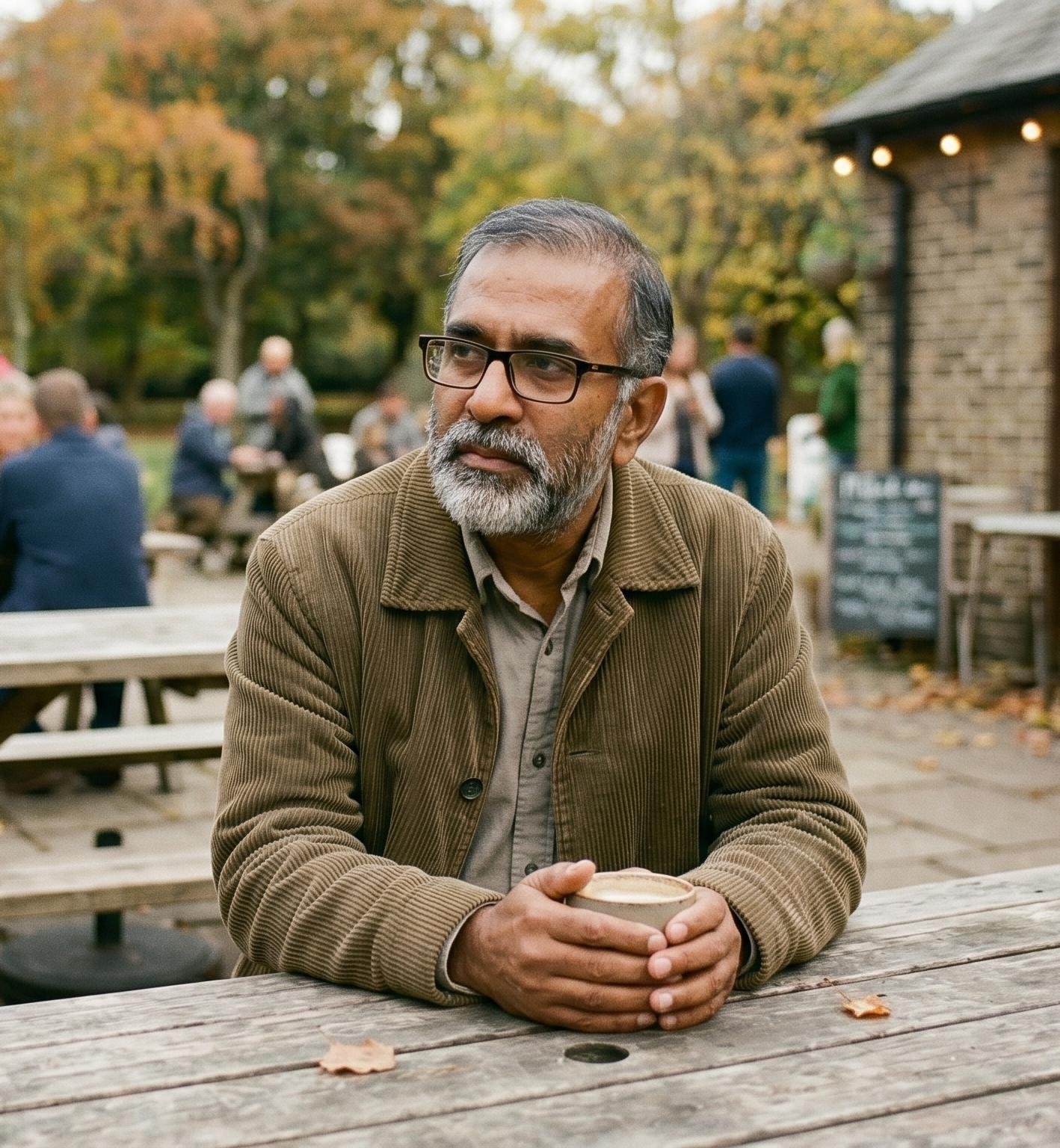
The Earth is always moving, and because of its tilt, we experience the changing of the seasons. These shifts from Spring to Summer, and Autumn to Winter, do more than just change the view outside our window. They act as a powerful force that controls our energy, our health, and our daily choices.
In this article, we will explore exactly how do changing seasons affect our lifestyle by looking at our biology, our habits, and our minds.
The Power of Light and Our Internal Clock
The most significant way the seasons change us is through sunlight. Every human has an internal “master clock” called the circadian rhythm. This clock is located in the brain and responds to light and darkness to tell us when to sleep and when to wake up.
Summer: The Season of High Energy
During the summer, the days are long. When our eyes see bright morning light, the brain stops producing melatonin, the hormone that makes us sleepy. Instead, it produces serotonin, which helps us feel awake and happy. Because of this, our lifestyle in summer is usually very active. We wake up earlier, stay out later, and feel like we have more “battery power” to get things done.
Winter: The Hibernation Mode
In winter, the sun rises late and sets early. Because it is dark more often, our bodies produce more melatonin throughout the day. This is why many people feel sluggish or tired in the winter. Our lifestyle shifts toward staying indoors and sleeping longer. Research shows that people often sleep about 30 to 60 minutes more per night during the winter than they do in the summer.
Seasonal Eating and Metabolism
What we eat is a huge part of our lifestyle, and it changes drastically with the weather. This is partly because of what foods are available and partly because of how our bodies burn energy.
The Need for Heat
When the temperature drops, our body has to work harder to maintain its core temperature of 37°C. To do this, it burns more calories. This is why we naturally crave “comfort foods” like stews, soups, and breads in the winter. These calorie-dense foods provide the fuel our body needs to stay warm.
Hydration and Freshness
In the summer, the goal of our diet shifts to cooling down. We lose a lot of water through sweat, so our bodies crave fruits and vegetables with high water content, such as watermelon, oranges, and cucumbers. Our lifestyle becomes lighter; we prefer smaller meals that don’t make us feel “heavy” in the heat.
Physical Activity and Movement Patterns
The seasons dictate “where” and “how” we move. How do changing seasons affect our lifestyle when it comes to exercise? It mostly depends on the “openness” of our environment.
-
Spring and Summer: These are the peak times for outdoor movement. People are more likely to walk, cycle, or swim. Statistics show that people are generally 20-30% more active during these months.
-
Autumn and Winter: As it gets colder, most people move their activities inside. This is when gym memberships usually spike. However, many people also become more sedentary (sitting more). Without the “natural” exercise of walking outside, it becomes harder to stay fit.
Mental Health and the “Winter Blues”
Our mood is closely tied to the weather. Sunlight is a natural medicine for the human brain.
Seasonal Affective Disorder (SAD)
Some people experience a specific type of depression called SAD during the winter. This happens because the lack of sun disrupts the brain’s chemistry. Understanding this helps us adapt our lifestyle. For example, many people now use “light boxes” that mimic the sun to keep their mood stable during dark months.
The Joy of Spring
When spring arrives, there is a measurable “lift” in global mood. The sight of green leaves and flowers triggers a sense of renewal. This is why “Spring Cleaning” is a real lifestyle phenomenon; the increase in energy makes us want to organize our lives and start fresh.
Social Interactions and Community
Believe it or not, the weather even changes how we treat other people.
-
Summer Sociability: Warm weather encourages us to be outside in public spaces. This leads to more “random” social interactions—talking to neighbors, meeting friends at a park, or attending festivals. Our social circles tend to expand in the summer.
-
Winter Intimacy: In the winter, we retreat to our “dens.” Social life becomes more about family and very close friends. We host dinners inside or gather around a fireplace. This is a time for building deep, internal bonds rather than meeting new people.
The Economics of the Seasons
Our spending habits are a major part of our lifestyle, and they follow a seasonal calendar.
-
Winter Spending: Between holiday gifts and the high cost of heating a home, winter is often the most expensive time of year. Our lifestyle revolves around “consumption” and “giving.”
-
Summer Spending: In the summer, our money goes toward experiences travel, vacations, and outdoor entertainment.
-
Clothing: We spend a significant amount of time and money switching our wardrobes. Storing summer clothes and bringing out heavy winter coats is a ritual that marks the transition of our lifestyle twice a year.
Biological Growth and Repair
Even the way we grow can be seasonal. Studies in children have shown that they often grow taller more quickly during the spring and summer. This is linked to higher levels of Vitamin D from the sun, which helps bones absorb calcium. In the winter, the body focuses less on “stretching” and more on “storing” energy, which is why many people find they gain a small amount of weight during the colder months.
Productivity and Work Rhythms
Modern office work tries to keep us productive 365 days a year, but our bodies don’t always agree.
-
The Summer Slump: Many companies notice that productivity dips in July and August. The high heat can make it harder to concentrate, and the desire to be outside creates a “mental fog” while sitting at a desk.
-
The Winter Focus: On the other hand, the quiet and dark of winter can actually be a great time for deep, focused work. With fewer distractions outside, many people find they can finish large projects more easily during the cold months.
Adapting to the Change
Since we know how do changing seasons affect our lifestyle, we can take steps to stay balanced all year.
-
In Winter: Maximize your light. Open your curtains as soon as you wake up. Take a short walk at noon when the sun is highest. This keeps your internal clock on track.
-
In Summer: Stay hydrated and protect your skin. Use the long days to build up your physical strength, but be careful of “heat exhaustion” during the hottest hours.
-
In Transition (Spring/Autumn): These are the times to check your health. Many people get “seasonal colds” during these times because the body is stressed by the changing temperature. Focus on vitamins and sleep to help your immune system.
Summary of Seasonal Impacts
| Lifestyle Area | Summer Impact | Winter Impact |
| Sleep | Shorter, more energetic | Longer, more sluggish |
| Diet | Light, cold, hydrating | Heavy, warm, high-calorie |
| Social | Public, large groups | Private, small circles |
| Exercise | Outdoor, aerobic | Indoor, strength or sedentary |
| Mood | Generally higher (Serotonin) | Risk of “blues” (Melatonin) |
Conclusion
The seasons are a natural reminder that life moves in cycles. We are not meant to be exactly the same every single day. By understanding the science of how the weather and light change us, we can stop fighting against nature and start living with it.
Whether it is the high-energy “rush” of a summer afternoon or the quiet “rest” of a winter evening, every season has a purpose for our health and happiness. Learning to listen to these changes is the best way to maintain a healthy and balanced lifestyle.