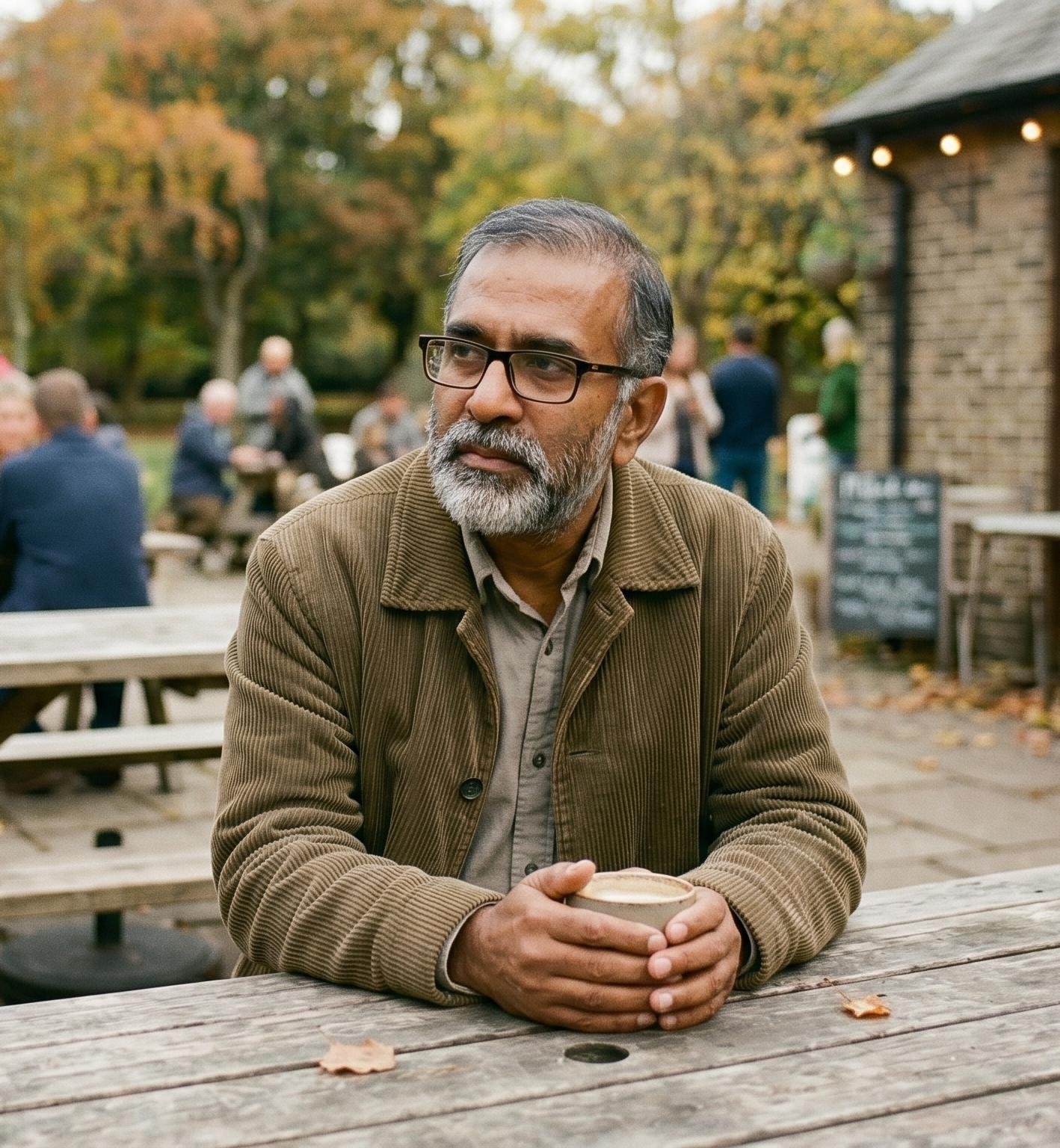
Suicide is not an easy topic to talk about, but it’s something that affects so many peoples ,directly or indirectly because everyone faces this thought throughout their life. When someone is directly in that dark place, it’s barely about one single reason because behind their minds a lot of thinking runs. It’s often a mix of stress, loneliness, past trauma, or even small things that pile up over time.
Good news is that there are some real lifestyle choices that can help lower the risk. They don’t replace therapy or professional help, but they can make a big difference in your life. It builds stronger mental health and emotional balance.
Let’s talk about a few of them in a real and simple way.
1. Building Strong Connections
One of the biggest factors to thinking about suicidial is having people around who care. It doesn’t need to be a big crowd or even one or two best friends can make a huge difference.
Try to connect with friends, talk openly and don’t isolate yourself. Loneliness feeds negative thoughts, and connection helps quiet them down.Sometimes, even a small talk over coffee or a phone call with your best friends or close one you trust can change how you feel for the day.
If you know someone who’s struggling, don’t wait for them to reach out. Be the one to send a message or drop by because he or she needs your rings.
2. Staying Physically Active
It sounds simple, but exercise helps more than the people expected.
Exercise your body ,even walking 20 minutes a day – releases chemicals like endorphins and serotonin that lift mood and reduce stress.
You don’t need to go to the gym or run. You can dance in your room, go for walks with your dog, garden, ride a bike, do yoga – anything that your body can do .
When your body feels stronger, your mind slowly starts to follow.
3. Eating for Mental Health
Food is one of the ways to change your mood. When we skip meals or live on sugar and caffeine, our energy spikes and crashes and that can make emotions harder to manage.
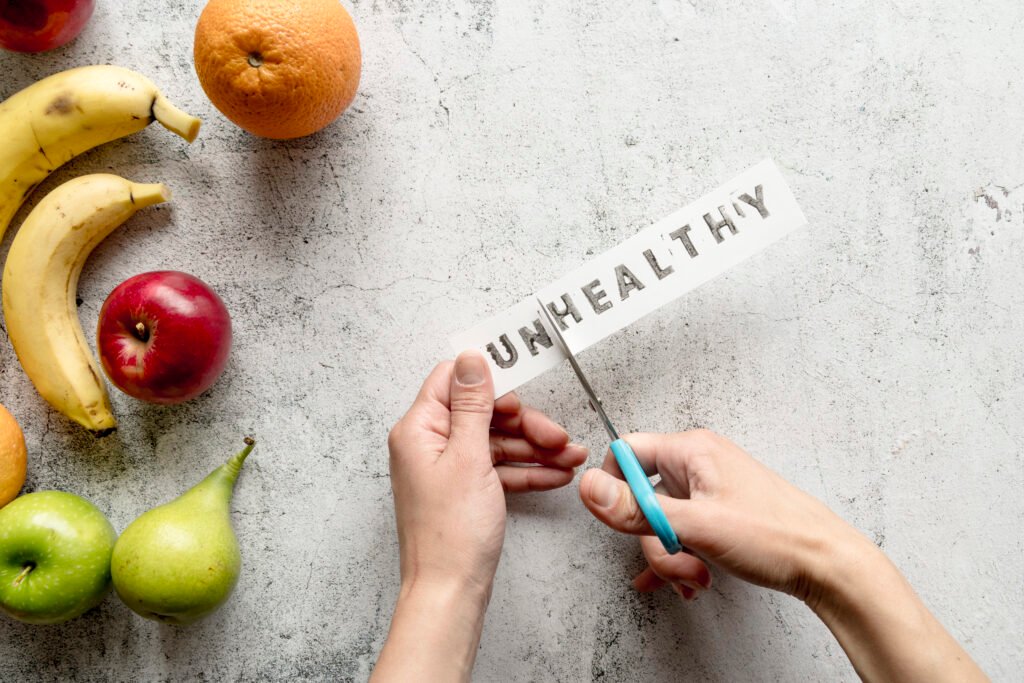
Try to eat balanced meals in your daily routine:
- Whole grains, fruits, veggies, and lean protein.
- Omega-3 fats (from fish, nuts, seeds) — they support brain health.
- Drink water. Seriously, dehydration makes anxiety worse.
You don’t have to eat “perfect.” Just add small healthy choices, one at a time.
4. Good Sleep Habit
Lack of sleep changes how the brain works.It can make sadness feel heavier, and problems seem bigger.
Try to:
- Go to bed and wake up around the same time.
- Avoid too much screen time before bed.
- Keep your bedroom calm and dark.
Most adults need 7–9 hours of sleep, but most of the time adults sleep less than expected. Even small improvements can make a real difference in mental health.
5. Learning to Manage Stress
We all face stress-work, family, money, life. But when it builds up and doesn’t get managed, it can lead to stress.
Simple ways to manage stress include:
- Deep breathing exercises.
- Writing your thoughts in a journal.
- Spending a few quiet minutes outside.
- Taking breaks when things get too heavy.
You can’t control everything, but you can control how you respond.
6. Avoiding Alcohol and Drugs
Alcohol or drugs might not be good for health, but they make things worse in the long run.They mess with brain chemistry, increase impulsivity, and often make sadness or anxiety stronger the next day.
If it’s hard to stop alone, reach out for support or consult the Dr to quit alcohol. There’s no shame in asking for help.
7. Creating a Daily Routine
When life feels chaotic, structure helps. Having a simple daily routine gives the brain a sense of control.Wake up, make your bed, eat breakfast, go for a walk — these small habits may not seem like much, but they ground you.
It gives your mind something steady to hold onto, especially on bad days.
8. Finding Purpose or Meaning
Having a purpose doesn’t mean you need a big life goal. It can be small like taking care of a pet, volunteering, helping others, or working towards your dream.
Purpose reminds you that you matter and that your presence adds value to the world.It’s easier to keep moving when you know someone or someone needs you.
9. Limiting Negative Influences
What you see, hear, and scroll through every day affects how you feel.
Too much news, toxic social media, or negative people can quietly wear you down.
Try organizing your space: follow accounts that inspire you, remove the ones that don’t fit you. Spend less time comparing your life to others. Real life is not as perfect as it looks online.

10. Seeking Professional Help
Lifestyle change means to replace therapy or medical support when it’s needed.Talking to a mental health professional, a therapist, counselor helps you understand your thoughts better and learn healthy coping strategies.
In the U.S., you can call or text 988 to reach the Suicide and Crisis Lifeline anytime, 24/7.You’re not alone, and asking for help is not weakness. It’s courage.
Final Thoughts
You don’t have to fix everything overnight.Reducing the risk of suicide is about small steps eating better, sleeping better, connecting, talking, moving, and asking for help when you need it.Life can get heavy, but it can also get better .one healthy habit at a time.The key is to keep showing up, keep choosing life, even on the hard days.