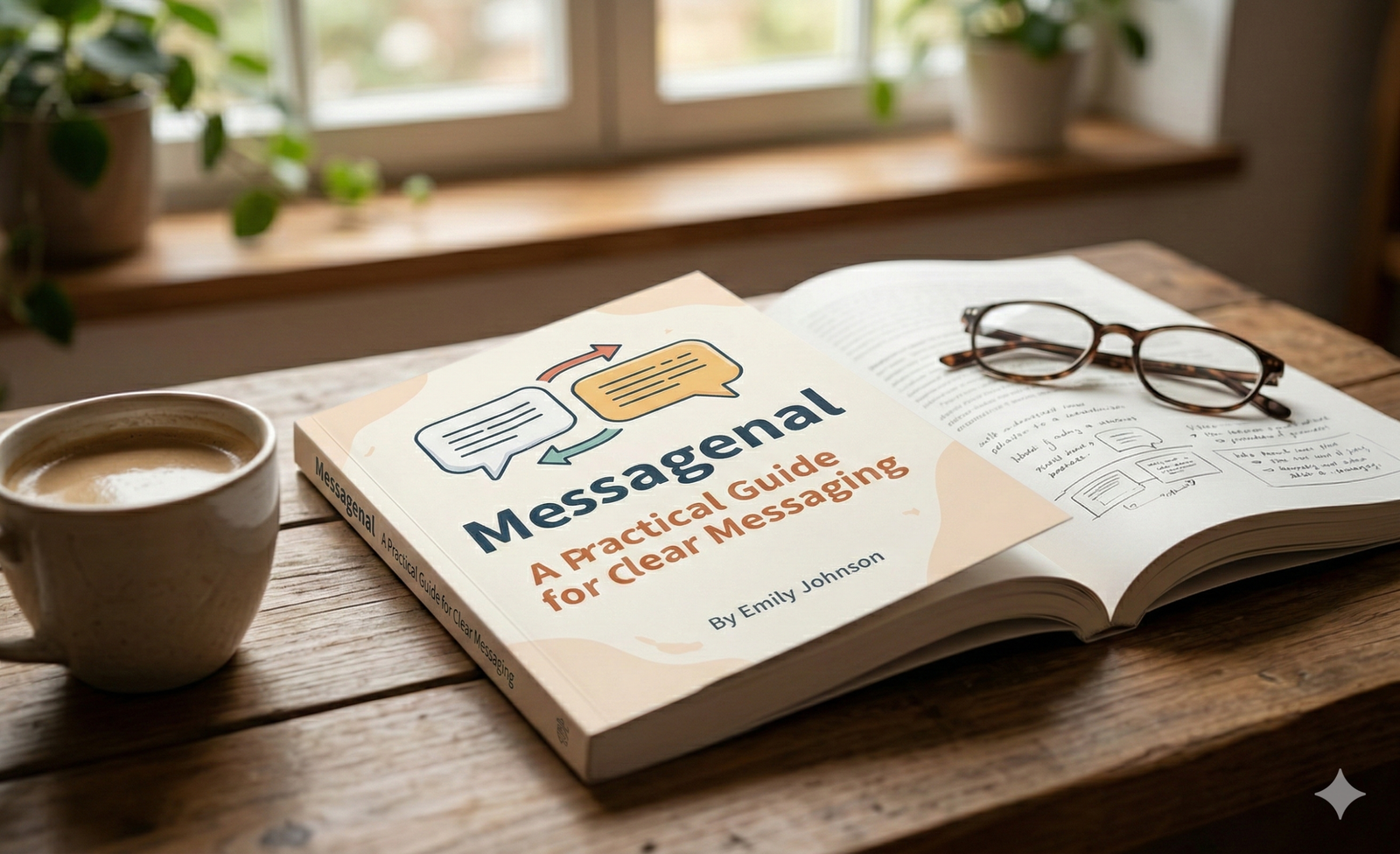
In the modern digital landscape, we are constantly transmitting data. Between instant messages, project management updates, and lengthy emails, the volume of our communication has never been higher. However, volume does not equate to value. Often, the more we speak, the less we are understood. This paradox is where a new standard of professional communication is required to bridge the gap between intent and impact.
The Core Philosophy of Messagenal Communication
The primary pillar of the Messagenal framework is the deliberate rejection of “urgency culture.” In many professional environments, there is an unwritten rule that a fast response is a good response. This philosophy challenges that by prioritizing distillation over speed. A distilled message is one that has been stripped of its “noise”—the filler words, the vague “checking in” phrases, and the ambiguous requests that plague our inboxes.
By taking a ten-second pause before hitting send, you ensure that the intention of your message aligns with its ultimate reception. This intentionality reduces the “ping-pong” effect—the exhausting back-and-forth of clarifying questions that arise from an initially unclear message. When we communicate with this mindset, we move away from reactive, high-speed typing and toward a structured, thoughtful exchange that respects the receiver’s time and cognitive energy.
Structural Foundations for Clear Messaging
To provide descriptive information without overwhelming the reader, you should adopt the journalistic “Inverted Pyramid” structure. This ensures that the most vital information is front-loaded, catering to the reality that most digital readers are “skimmers.” This structural integrity is the first step toward achieving consistent clear messaging across your organization.
-
The Critical Core: The first sentence should answer the “So What?” Why are you writing, and what is the most important thing the reader needs to know right now?
-
The Contextual Body: This is where you provide the descriptive details. Use concrete data instead of subjective adjectives. State that “Phase 2 is 85% complete” rather than saying it is “moving along well.”
-
The Supplemental Tail: Information that provides background or historical context belongs at the end. This allows the reader to stop reading once they have acquired the actionable facts, saving them minutes of unnecessary labor.
Managing Tone and Visual Architecture
One of the most significant challenges in digital text is “negativity bias.” Research consistently shows that neutral messages are often interpreted as slightly negative by the receiver because they lack facial expressions and vocal inflection. A Messagenal practitioner acts as an “architect of tone,” explicitly describing the urgency or nature of the message to prevent anxiety.
For instance, rather than saying, “We need to talk later,” which often triggers a stress response, a clear communicator would say, “I’d like to catch up for ten minutes to brainstorm ideas; no issues, just looking for your creative input.” Furthermore, walls of text lead to “skimming fatigue.” Utilizing visual signposts like action headings, parallel bullet points, and selective bolding is essential for maintaining clear messaging in a high-volume environment. These tools allow the human brain to categorize information before it even starts reading the actual words.
Bridging Context Gaps and Content Redaction
We often suffer from the “curse of knowledge”—the assumption that what is clear in our minds must be clear to everyone else. Effective communication requires “Contextual Intelligence.” This means always defining your variables and never assuming the reader knows which version of a document or which department you are referencing.
True descriptive power also comes from what you leave out. You should advocate for the removal of “Zombie Nouns”—verbs that have been turned into heavy, stagnant nouns. Instead of saying “We will perform an investigation,” simply say “We will investigate.” By using active verbs, you make your writing more energetic and direct. This careful redaction ensures that every word on the page serves the goal of clear messaging, leaving no room for misinterpretation or fluff.
Building Credibility Through Messagenal Habits
Consistency is the bedrock of professional trust. When you consistently deliver information using these principles, you build a “Communication Brand.” People begin to recognize that a message from you is relevant, reliable, and respectful of their time. This reliability reduces workplace friction and is the most effective way to maintain clear messaging even during high-pressure crises.
Part of this habit is also “Channel Discipline”—choosing the right platform for the message. A long guide sent via an instant messaging app is a failure of communication; it should be a linked document with a summary. By matching the complexity of your information to the appropriate digital channel, you ensure your message is archived correctly and easily retrieved. This habit quietly supports progress behind the scenes, transforming everyday tasks into manageable steps.
Conclusion: Why Clear Messaging is Essential for Success
At its heart, this practice reminds us that there is a human being behind every screen. In our rush to be “productive,” we often treat messaging as a chore to be finished rather than a connection to be made. By slowing down and applying structure, we move from being “overwhelmed by noise” to “empowered by clarity.”
The Messagenal approach doesn’t just make you a better writer; it makes you a better leader and a more empathetic participant in the digital age. When you eliminate the friction of “decoding” intent, you improve productivity and strengthen professional relationships. Remember, the goal of clear messaging isn’t just to be heard—it is to be understood.