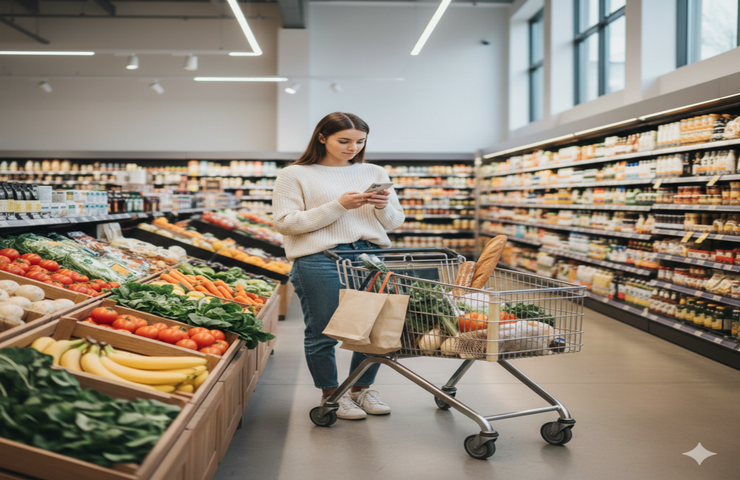
The average person spends over 2 hours per week in supermarkets, yet most of us navigate these retail spaces on autopilot. Understanding how modern supermarkets operate and learning strategic shopping techniques can save you hundreds of dollars annually while making your shopping experience more efficient and enjoyable. This comprehensive guide reveals insider insights and research-backed recommendations to transform you into a savvy supermarket shopper.
Understanding Supermarket Layout Psychology
Modern supermarkets are meticulously designed environments where every shelf placement, aisle width, and product position serves a strategic purpose. Research from the Journal of Consumer Psychology shows that store layouts can influence up to 70% of purchasing decisions.
The Perimeter Strategy: Most supermarkets place fresh foods produce, dairy, meat, and bakery around the store’s outer edges. This isn’t coincidental. These high-margin, frequently purchased items force you to walk past numerous temptation points. The recommendation here is to shop the perimeter first when your willpower is strongest, then venture into center aisles for shelf-stable necessities.
Eye-Level Economics: Products positioned at eye level generate 35% more sales than those on bottom shelves. Premium brands pay significant fees for this prime real estate. Your strategy? Look up and down. Generic and value brands typically occupy top and bottom shelves but offer identical quality in many categories.
The Decompression Zone: The first 10-15 feet inside supermarket entrances are designed as “decompression zones” where shoppers transition from outside to inside. Retailers avoid placing essential items here because shoppers aren’t mentally ready to make decisions. Instead, you’ll find seasonal displays, flowers, or promotional items all non-essentials.
The Smart Shopper’s Toolkit
Preparation separates efficient shoppers from those who overspend and waste time. Here are evidence-based recommendations:
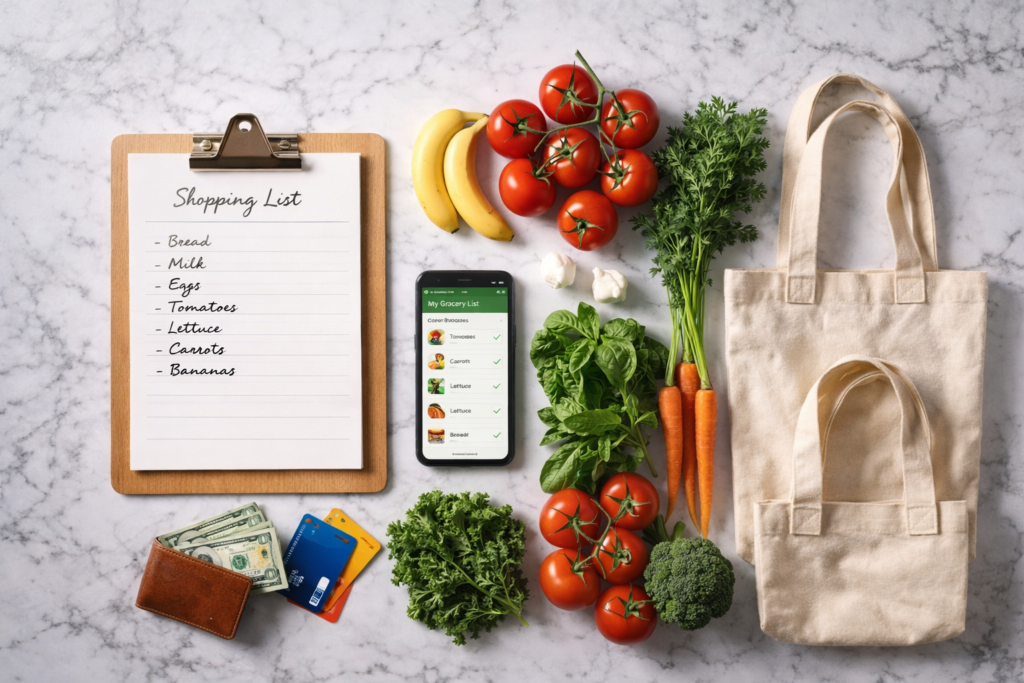
1. Master the List System: Studies from the Marketing Science Institute reveal that shoppers with detailed lists spend 23% less than those without. Create categorized lists matching your supermarket’s layout: produce, dairy, meat, frozen, pantry staples, household items. Apps like AnyList or Out of Milk can organize items by aisle.
2. Timing Matters: Research suggests shopping during off-peak hours (Tuesday-Thursday mornings or after 8 PM) reduces impulse purchases by minimizing crowds and stress. You’ll also find fresher selections and fully stocked shelves.
3. Never Shop Hungry: This advice is backed by solid science. A 2013 JAMA Internal Medicine study found that hungry shoppers purchase 64% more high-calorie items than satiated shoppers. Eat a protein-rich snack 30 minutes before shopping.
4. Set a Budget (and Payment Method): Using cash instead of cards can reduce spending by 12-18% according to consumer behavior research. The physical act of handing over money creates psychological friction that encourages mindful purchasing.
Navigating Supermarket Aisles: A Strategic Approach
Professional shoppers and efficiency experts recommend a systematic approach to aisle navigation.
Zone-Based Shopping: Divide your trip into four zones:
Fresh Zone (Perimeter): Start with produce when you’re most energetic and quality-focused. Select fruits and vegetables that are in season.They’re cheaper and fresher. Check for local produce, which often costs 20-30% less than shipped alternatives.
Protein Zone: Visit meat and seafood counters mid-shop. Don’t shy from asking butchers about markdown times (usually late afternoon). Family packs offer 15-30% savings and can be portioned and frozen at home.
Dairy Zone: Positioned at the back for a reason forcing you through the entire store. Grab milk, yogurt, and cheese last to maintain cold chain integrity.
Center Aisles: Approach methodically. Studies show shoppers who zigzag randomly spend 30% more time shopping and purchase 25% more items than those following a linear path.
The Cart Psychology: Research from the University of Pennsylvania found that using hand baskets instead of carts reduces impulse purchases by 41% for small shopping trips. If you must use a cart, keep your reusable bags in it items in bags feel “purchased” psychologically, reducing the temptation to add more.
Money-Saving Secrets Every Shopper Should Know
Industry insiders and consumer advocates reveal these cost-cutting strategies:
1. Unit Price Mastery: The unit price (cost per ounce, pound, or liter) appears on shelf tags and reveals true value. Surprisingly, bulk isn’t always cheaper—compare unit prices religiously. This habit alone can save 15-20% annually.
2. Strategic Brand Switching: Private label (store brand) products are manufactured by the same companies producing name brands 75% of the time, according to industry analysis. The Food Marketing Institute reports that switching to store brands on just 10 staple items saves the average family $1,200 yearly.
3. Loyalty Program Leverage: Modern supermarket loyalty programs aren’t just about collecting points. They provide personalized discounts based on purchase history. Recommendation: Use one primary supermarket for 80% of shopping to maximize program benefits, but comparison shop competitors for loss leaders (heavily discounted items designed to attract customers).
4. Seasonal Shopping Cycles: Supermarkets follow predictable markdown patterns:
- January: Diet and organizational products
- April-May: Grilling items and condiments
- September: Baking supplies and lunchbox items
- November-December: Baking ingredients and entertaining items
Stock up during these cycles for year-round savings.
5. Markdown Schedules: Most supermarkets reduce prices on perishables at specific times:
- Bakery: 50-75% off after 7 PM
- Meat/Seafood: 30-50% off 2 hours before closing
- Prepared foods: Markdowns after lunch and dinner rushes
6. Rain Check Power: When sale items are out of stock, request a rain check. This guarantees the sale price when items restock, even if the sale has ended.
Technology Transforming the Supermarket Experience
The digital revolution has fundamentally changed how we shop, offering unprecedented opportunities for savings and convenience.
Price Comparison Apps: Tools like Flipp, Basket, and ShopSavvy scan barcodes to compare prices across local stores instantly. Regular users report 10-15% savings by identifying the best deals before purchasing.
Digital Coupons and Cashback: Apps like Ibotta, Fetch Rewards, and Checkout 51 offer cashback on grocery purchases. Unlike traditional couponing, these require minimal effort simply scan receipts. Dedicated users average $300-500 annual savings.
Inventory Management Tools: Apps like NoWaste and FridgePal track purchases and expiration dates, reducing food waste by up to 30%. The average household throws away $1,500 worth of food annually technology can recapture much of this waste.
Self-Checkout Strategy: While convenient, research shows self-checkout users spend 15% more time and make more errors than traditional checkout. Recommendation: Use self-checkout only for small trips (under 15 items) and when you’re time-pressed rather than budget-focused.
Online Shopping Considerations: Grocery pickup and delivery have exploded post-pandemic. While convenient, online shopping increases spending by 10-20% according to research from MIT due to lower price visibility and minimum order requirements. However, it eliminates impulse purchases—making it potentially valuable for shoppers with poor self-control in stores.
Sustainable Shopping Habits for Conscious Consumers
Environmental responsibility and budget consciousness increasingly align in modern shopping practices.
Reusable Bag Benefits: Beyond environmental impact, reusable bags encourage list-based shopping and limit over-purchasing. Studies show shoppers using reusable bags buy 25% more fruits and vegetables and fewer impulse items.
Bulk Bin Advantages: Buying from bulk bins reduces packaging waste and costs 30-50% less than packaged equivalents for items like grains, nuts, and spices. Purchase only needed quantities to minimize waste.
Seasonal and Local Prioritization: Local, seasonal produce requires less transportation, tastes better, and costs less. Farmers market prices average 20% below supermarket organic prices for comparable products.
Ugly Produce Programs: Many supermarkets now offer “imperfect” produce at 30-50% discounts. These cosmetically challenged items have identical nutritional value and taste—perfect for smoothies, soups, and cooking applications.
Package Size Awareness: Larger packages aren’t always more economical or sustainable. Calculate per-unit costs and purchase based on realistic consumption rates to minimize waste.
Decoding Supermarket Pricing and Promotions
Understanding pricing psychology helps you identify genuine deals from marketing manipulation.
The 9-Ending Psychology: Prices ending in .99 or .97 feel significantly cheaper than rounded prices, even when the difference is one cent. This psychological pricing affects perception, not actual value—stay focused on total costs.
BOGO Analysis: “Buy One Get One” deals seem attractive but require careful evaluation. If you don’t need two units, a non-sale single item elsewhere might cost less. True value exists only when you’d purchase multiples anyway.
Loss Leader Recognition: Supermarkets intentionally lose money on certain heavily advertised items (milk, bread, eggs) to attract customers who’ll purchase higher-margin items. Recommendation: Purchase loss leaders but stick to your list for other items.
End Cap Awareness: Products displayed at aisle ends aren’t necessarily on sale. They’re simply premium placement that manufacturers pay for. Always check regular aisle pricing before assuming end cap items are deals.
“Sale” Verification: Consumer advocates recommend checking unit prices on “sale” items against competitors. Research reveals 15-20% of advertised sales offer no actual savings compared to regular pricing elsewhere.
Fresh Produce Selection Mastery
Selecting quality produce maximizes value and minimizes waste crucial skills given that produce comprises 30% of grocery spending.
Ripeness Strategy: Purchase produce at varying ripeness stages for continuous consumption throughout the week. This prevents simultaneous spoilage and reduces waste.
Quality Indicators by Category:
Leafy Greens: Vibrant color, crisp texture, no wilting or sliminess. Recommendation: Buy whole heads rather than pre-cut packages.They last 3x longer and cost 40% less.
Berries: No mold, uniform color, dry surfaces. Check bottom containers for crushing or leaking.
Citrus: Heavy for size (indicates juiciness), firm skin, no soft spots.
Root Vegetables: Firmness, unblemished skin, no sprouting or shriveling.
Organic vs. Conventional Decision-Making: The Environmental Working Group’s “Dirty Dozen” and “Clean Fifteen” lists provide evidence-based guidance on where organic matters most. Prioritize organic for thin-skinned produce (berries, leafy greens, apples) where pesticide residue is highest. Save money buying conventional thick-skinned produce (bananas, avocados, pineapples) where residue is minimal.
Pre-Cut Convenience Analysis: Pre-cut fruits and vegetables cost 200-400% more than whole equivalents. Reserve these for items you’ll actually consume—unused whole produce wastes money despite lower upfront costs.
Weekly Supermarket Shopping vs. Daily Trips: What Works Best?
Shopping frequency significantly impacts spending, waste, and time investment.
Weekly Shopping Advantages:
- Reduced impulse purchases (fewer store visits = fewer temptations)
- Better meal planning capabilities
- Bulk purchase savings opportunities
- Time efficiency (one 90-minute trip vs. six 20-minute trips)
Research Findings: Studies from Cornell University show weekly shoppers spend 20-25% less annually than daily shoppers and waste 15% less food due to better planning.
Daily Shopping Benefits:
- Fresh ingredients
- Flexibile for spontaneous meal changes
- Small carrying loads
- Reduce storage requirements
Optimal Hybrid Approach: Consumer behavior research suggests a “power shop plus fill-in” model works best:
- One major weekly trip for staples, proteins, and shelf-stable items (60-70% of needs)
- 1-2 quick trips for fresh produce, bread, and perishables (30-40% of needs)
This approach combines bulk savings with freshness while minimizing waste and maintaining flexibility.
Read more about Some interesting Blogs- Messeregge :The Essential Knife Harrow Revolutionizing Modern Soil Cultivation
Common Supermarket Shopping Mistakes to Avoid
Even experienced shoppers fall into these researched traps:
1. Shopping Too Many Stores: The “cherry picking” strategy visit’s multiple stores for the best deals rarely yields net savings. Factor in time, gas, and increased impulse purchases across locations. Recommendation: Shop primarily at one supermarket, supplementing with one other store only for significant savings (20%+ difference) on major purchases.
2. Ignorie Per-Unit Costs: The biggest package isn’t always the best value. Recent consumer analysis found that mid-sized packages offered better unit pricing 35% of the time compared to largest sizes.
3. Produce Overbuying: Americans waste 25% of purchased produce. Combat this by shopping produce twice weekly and buying exactly what meal plans require, plus one “flexibility” item.
4. Brand Loyalty Blindness: Emotional attachment to brands costs 15-30% more annually. Conduct blind taste tests at home—you’ll often discover indistinguishable quality in generics.
5. Checkout Lane Weakness: The checkout zone generates $5.5 billion in impulse purchases annually. Recommendation: Keep hands busy with your phone or bring a book to read while waiting occupied hands don’t grab candy and magazines.
6. Forget the Freezer: Frozen vegetables and fruits are nutritionally comparable to fresh (sometimes superior due to peak-harvest freezing) while costing 30-50% less and lasting months.
7. Recipe Shopping Without Inventory Checking: Shopping for recipe ingredients without checking home inventory wastes money on duplicates. Maintain a running pantry inventory via phone app.
8. Membership Confusion: Warehouse club memberships ($60-120 annually) require minimum spending levels to break even. Calculate whether your consumption justifies membership typically requiring $3,000+ annual grocery spending for value.
Conclusion: Becoming a Supermarket Shopping Expert
Transforming grocery shopping from a mundane chore into a strategic, money-saving activity requires three elements: knowledge, planning, and consistency.
The modern supermarket is designed to extract maximum spending through sophisticated psychology and layout strategies. Armed with the research-backed recommendations in this guide, you can turn the tables using store design knowledge to your advantage, leveraging technology for savings, and implementing proven strategies that reduce spending by 20-30% while improving diet quality and reducing waste.
Your Action Plan:
- This Week: Create a categorized shopping list system and identify your supermarket’s markdown schedule
- This Month: Download 2-3 recommended apps and establish a meal planning routine
- This Quarter: Calculate actual savings from implemented strategies and refine your approach
- This Year: Track annual grocery spending reduction most dedicated shoppers save $2,000-3,500 annually
Remember that perfect implementation isn’t necessary for meaningful results. Even adopting 5-6 strategies from this guide yields substantial savings while making shopping more efficient and less stressful. The supermarket will always have advantages, but informed shoppers wielding research-backed strategies can level the playing field cutting costs dramatically while improving their overall shopping experience.